
 Commercial General Liability (CGL) insurance and Professional Liability insurance (also known as Errors and Omissions insurance or E&O insurance) are two distinct types of business insurance that provide coverage for different types of risks. Here's a comparison between the two:
Commercial General Liability (CGL): CGL insurance provides coverage for claims related to bodily injury, property damage, and personal/advertising injury that your business may cause to third parties. It typically covers incidents that occur on your business premises or as a result of your business operations. Professional Liability (PL) or Errors and Omissions (E&O): Professional Liability insurance is designed to protect professionals and businesses against claims arising from mistakes, negligence, or errors in the professional services they provide. This includes claims related to professional advice, services, or recommendations that result in financial losses for clients. Types of Businesses Covered: CGL: It is more commonly associated with businesses that have a physical presence or engage in activities that may pose a risk to third parties, such as slip-and-fall accidents at a store or property damage caused by construction work. PL or E&O: This type of insurance is typically tailored to businesses and professionals who provide specialized services or advice, such as lawyers, doctors, consultants, architects, IT professionals, and financial advisors. Covered Claims: CGL: Covers claims related to bodily injury, property damage, and personal/advertising injury caused by your business operations or premises. It can also include product liability coverage. PL or E&O: Covers claims arising from errors, omissions, or mistakes in the professional services you provide. This can include claims of professional negligence, misrepresentation, or failure to deliver promised results. Legal Costs: CGL: Covers legal defense costs if you are sued for bodily injury, property damage, or personal injury. PL or E&O: Covers legal defense costs as well as any settlements or judgments resulting from professional liability claims. It often includes coverage for the cost of hiring experts to defend your case. Industry Specific: CGL: Applicable to a wide range of businesses across various industries. PL or E&O: More specialized and tailored to specific professions and industries where professional advice or services are provided. Claims Frequency: CGL: Claims tend to be more frequent in industries where physical accidents or property damage are common, such as construction or retail. PL or E&O: Claims are more common in professions where advice or services can lead to financial losses or disputes, such as law, finance, healthcare, or consulting. Commercial General Liability insurance and Professional Liability insurance serve different purposes and cater to different types of businesses. CGL primarily covers bodily injury and property damage claims resulting from general business operations, while PL or E&O insurance is designed to protect against claims arising from professional errors or negligence in specialized services or advice. Many businesses may benefit from having both types of insurance to ensure comprehensive coverage.
0 Comments
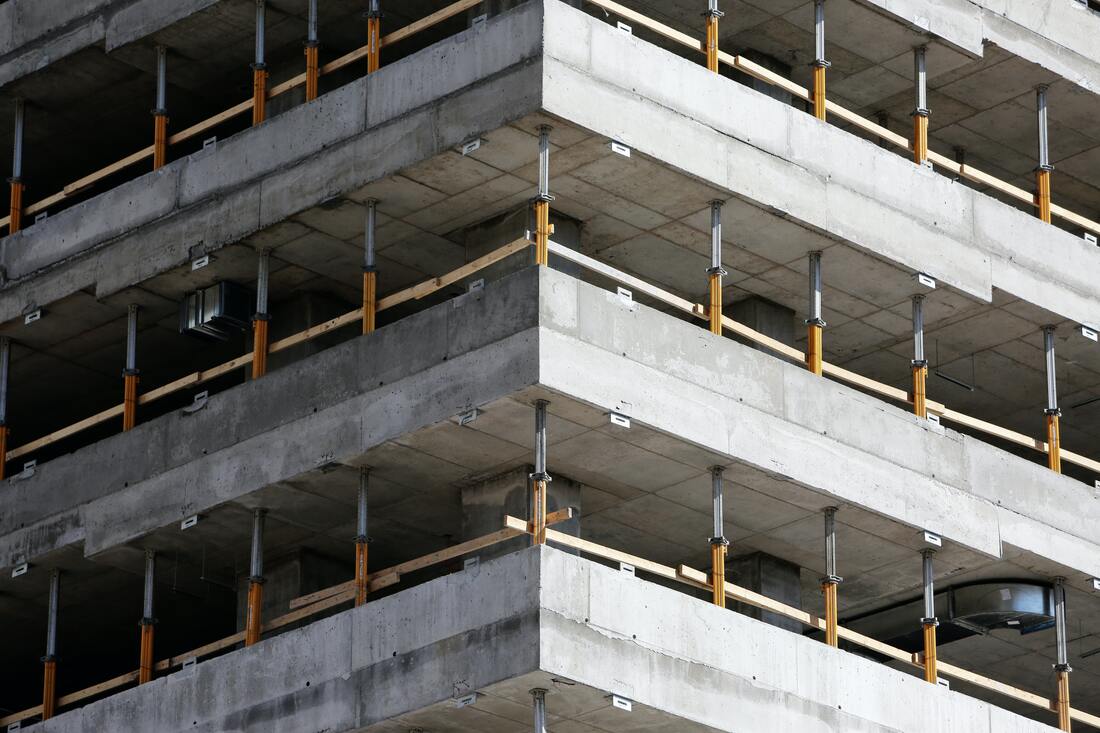 When starting a construction project, whether it's a residential home or commercial building, numerous factors come into play to ensure its successful completion. One critical aspect that is often overlooked or underestimated is the importance of Builders Risk Insurance. This type of coverage provides essential protection for your project against unforeseen events that could potentially derail your construction efforts and impact your financial investment. In this blog post, I'll explain the details of Builders Risk Insurance, explaining what it is, why it matters, and how it can protect your construction project.
Builder's Risk Insurance is a specialized type of property insurance designed to cover the physical assets involved in a construction project. This can include the structure itself, materials, equipment, and machinery. The coverage can extend to both new constructions and renovations or remodels. Builders Risk Insurance is essential for the following parties:
When to Get Builders Risk Insurance: It's very important to secure builders risk insurance before construction begins. If you call to get a policy after the project starts, you might run into some problems. The coverage typically starts when the project's foundation is laid and ends when the project is completed and ready for occupancy. It's important to note that the policy should cover the full estimated value of the completed project, including labor, materials, and other expenses. Review your Policy: When selecting a builders risk insurance policy, consider the following factors:
Builders Risk Insurance is essential for protecting your construction project from unexpected setbacks and potential losses. By understanding its importance and choosing the right policy, you can ensure that your project remains on track, even in the face of unforeseen challenges. If you have any questions about Builders Risk Insurance or any other Business Insurance policies, please feel free to contact me. Jason Matison Commercial Insurance Agent Austin, Texas 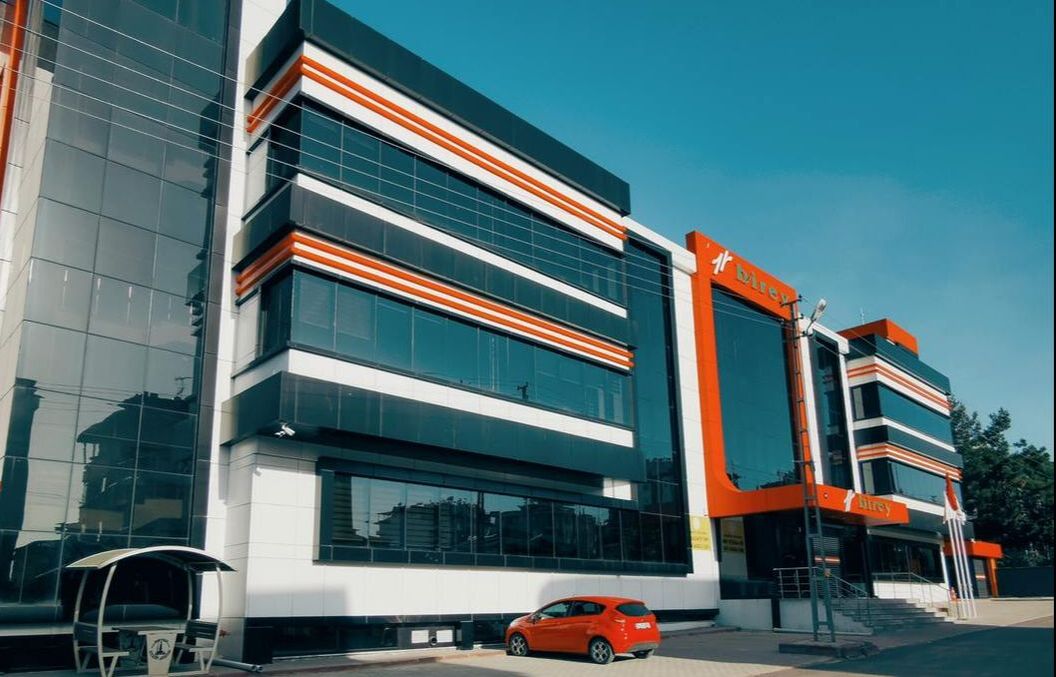 Commercial landlord insurance is an often underestimated policy that holds immense significance in today's market. Surprisingly, some property owners remain unaware of the comprehensive coverage it provides and the critical reasons why they should have it. To grasp the essence of this insurance, we need to explore its core features and the value it brings to building owners operating in the commercial real estate sphere. |
Categories
All
Archives
February 2024
|
NOTICE: This blog and website are made available by the publisher for informational purposes only. It is not to be used as a substitute for competent insurance, legal, or tax advice from a licensed professional in your state. By using this blog site you understand that there is no broker client relationship between you and the blog and website publisher.